Recommended Blog Length: 1,300–1,500 words
Estimated Character Count: 9,000–11,000 characters (including spaces)
Primary Keyword: Chicago winter apartment living
Secondary Keywords:
Chicago winter apartment tips, preparing for winter in Chicago, Chicago apartment winter preparation, winter apartment essentials, Chicago cold weather living, winterizing your apartment, Chicago winter checklist, staying warm in Chicago apartments, winter living tips for renters.
Introduction: Your First Chicago Winter Is Coming
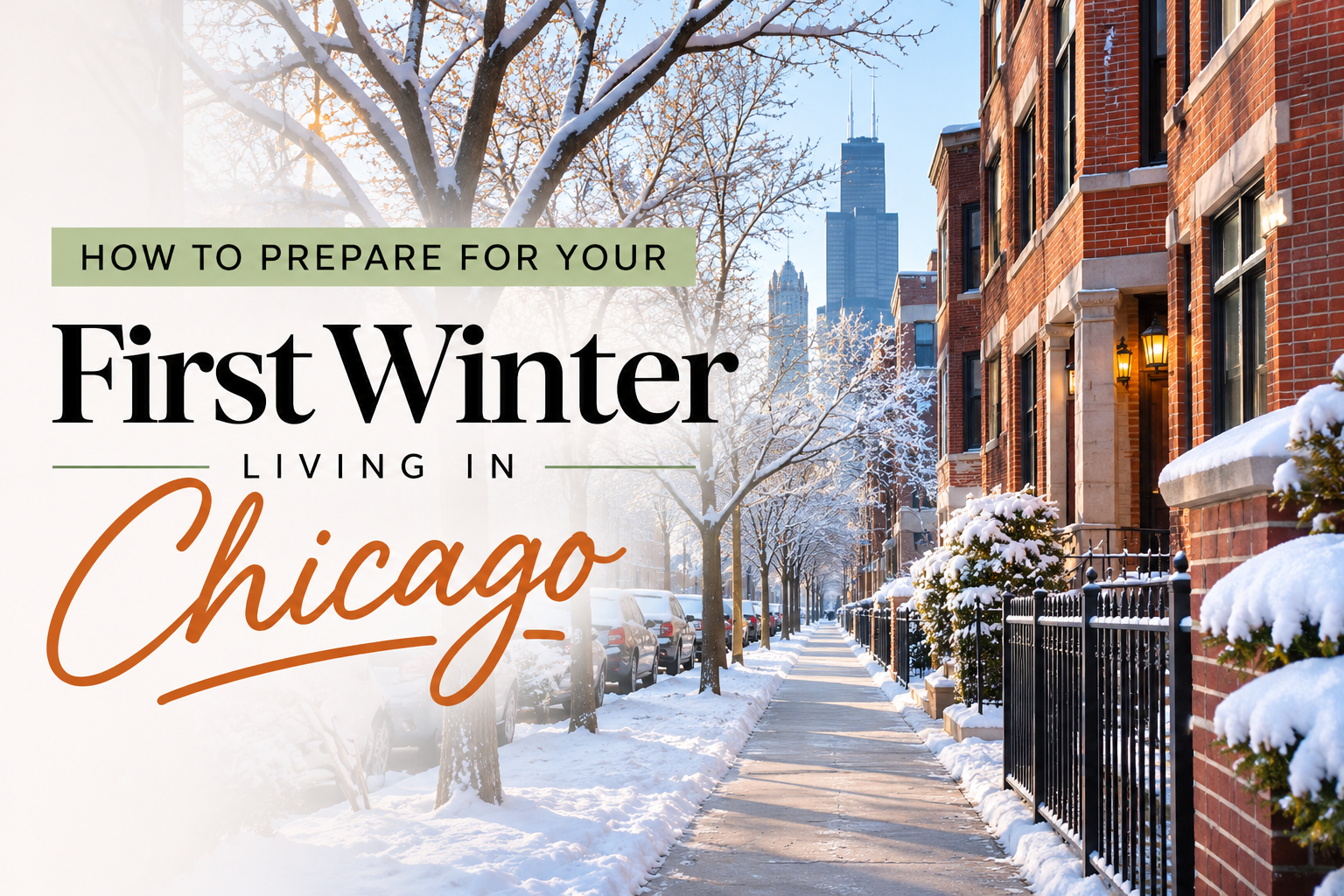
Chicago is a city of contrasts. Summer brings outdoor festivals, waterfront adventures, and lively neighborhood streets, while winter transforms the landscape into a frosty urban wonderland. For newcomers, however, that picturesque snowfall comes with a considerable learning curve.
If you're experiencing your first winter in the Windy City, preparing for freezing temperatures, icy sidewalks, heavy snowfall, and shorter daylight hours is essential. Winter in Chicago is not simply about owning a thick coat. It requires a little foresight, the right apartment essentials, and an understanding of how to keep your home comfortable when temperatures plunge.
For renters, Chicago winter apartment living comes with its own set of considerations. From understanding your apartment's heating system to preventing drafts and preparing for snow-covered commutes, small adjustments can make a substantial difference.
The good news? With the right preparation, your first Chicago winter can be comfortable, manageable, and even enjoyable.
Here's how to get your apartment and daily routine ready before the cold weather arrives.
1. Understand What to Expect From a Chicago Winter
Chicago winters are notorious for their biting winds and unpredictable weather. Temperatures can fall below freezing, while occasional cold snaps bring dangerously low wind chills. Snowfall, freezing rain, and icy conditions can also affect everyday routines.
The city's nickname, the Windy City, becomes particularly relevant during winter. Even when the thermometer shows a temperature that seems manageable, strong winds can make outdoor conditions feel considerably colder.
For new residents, the biggest adjustment is understanding that winter preparation should happen before the first major snowfall.
Start by checking seasonal weather forecasts, keeping an eye on winter storm advisories, and paying attention to local weather alerts. Familiarize yourself with the neighborhood's snow-removal practices and identify nearby grocery stores, pharmacies, and transportation options.
Preparation makes winter less intimidating.
2. Check Your Apartment's Heating System Before Temperatures Drop
One of the most important aspects of Chicago winter apartment living is ensuring your heating system works properly.
Before winter arrives, test the apartment's heating system and make sure every room receives adequate warmth. If you notice unusual noises, inconsistent temperatures, or a heating system that does not respond correctly to the thermostat, contact property management promptly.
Do not wait until the coldest night of the season.
Different Chicago apartment buildings use different heating arrangements, including central heating, radiators, and individual heating systems. Understanding how yours operates will help you maintain a comfortable indoor environment.
A few practical steps include:
Test the thermostat before consistently cold weather begins.
Check whether radiators and heating vents are functioning properly.
Keep furniture and other objects away from heating vents.
Ask management how to report heating problems.
Understand which utilities are included in your rent.
Find out whether there are building-specific temperature guidelines.
If your apartment uses radiators, avoid covering them with clothing or placing flammable objects nearby.
A properly functioning heating system is essential for comfort and safety.
3. Prevent Drafts and Keep Cold Air Outside
Even a well-heated apartment can feel uncomfortable when cold air sneaks through windows and doors.
Drafts are particularly noticeable in older Chicago buildings, where original windows and architectural details may allow air infiltration.
Fortunately, several renter-friendly solutions can help.
Consider adding weatherstripping around doors and windows where permitted. Thermal curtains can provide another layer of insulation, helping reduce heat loss through windows. Door draft stoppers may also help minimize cold air entering living spaces.
Pay attention to particularly chilly areas, including window frames, exterior doors, and corners near outside walls.
However, avoid permanently sealing ventilation openings or blocking required heating and air circulation systems.
If you notice significant drafts, damaged windows, or gaps that require repairs, notify your landlord or property manager. Permanent modifications should be handled with the property's approval.
A warmer apartment does not always require turning up the thermostat. Sometimes, keeping the warmth inside is the smarter approach.
4. Stock Up on Essential Winter Apartment Supplies
A little preparation can prevent unnecessary trips outside when snow and freezing temperatures arrive.
Create a winter essentials collection before the weather becomes severe. Think of it as a small seasonal inventory designed to keep your household comfortable and prepared.
Some useful items include:
Heavy blankets and warm bedding
Thermal curtains
Slippers and thick socks
A humidifier
Flashlights and extra batteries
A basic first-aid kit
Nonperishable food
Bottled water
A portable phone charger
Ice scraper and snow brush if you own a vehicle
Winter cleaning supplies
A humidifier can be particularly useful because indoor heating often makes the air feel dry during winter.
Keep essential supplies organized in an accessible location. You will appreciate having them nearby when the weather makes outdoor errands inconvenient.
5. Dress for Chicago's Freezing Temperatures
Your apartment may be warm, but getting around Chicago requires a different wardrobe strategy.
A good winter outfit is built around layers rather than one exceptionally thick garment.
Start with a comfortable base layer, add insulating clothing, and finish with a wind-resistant winter coat. This combination allows you to adjust your clothing depending on whether you're walking outside, riding public transportation, or spending time indoors.
Invest in a few essential pieces:
Winter coat: Choose an insulated coat that provides sufficient protection against wind and freezing temperatures.
Waterproof boots: Snow, slush, and melting ice can quickly soak ordinary shoes. Look for boots with insulation and good traction.
Gloves: Warm, insulated gloves protect your hands from the cold during commutes and outdoor activities.
Hat and scarf: These accessories help protect exposed skin and improve overall comfort.
Thermal layers: Thermal tops, leggings, and warm socks provide additional insulation without requiring bulky clothing.
Do not underestimate footwear. Icy sidewalks can be slippery, and appropriate traction is just as important as warmth.
6. Prepare Your Apartment for Dry Winter Air
Winter heating can make indoor air noticeably drier.
You may experience dry skin, irritated nasal passages, static electricity, and discomfort when waking up in the morning.
A humidifier can help maintain a more comfortable indoor environment. Follow the manufacturer's cleaning instructions and monitor humidity levels to avoid excessive moisture, which can encourage mold growth.
Other simple habits can help:
Apply moisturizer after showering.
Keep drinking water throughout the day.
Avoid overheating your apartment unnecessarily.
Clean humidifiers regularly.
Watch for condensation around windows.
Balancing warmth and indoor humidity is an important part of creating a comfortable winter home.
7. Protect Your Apartment From Winter-Related Problems
Cold weather can introduce maintenance issues that renters may not encounter during warmer months.
One important concern is frozen plumbing. Pipes located near exterior walls or poorly insulated areas may be more vulnerable during extreme cold.
Learn where your apartment's water shutoff is located, and understand how to contact maintenance in an emergency.
If temperatures become exceptionally low, follow your property's instructions for protecting plumbing. Depending on the building and circumstances, management may recommend keeping certain cabinets open or allowing a small water flow from vulnerable faucets.
Never attempt repairs involving frozen or damaged pipes without proper assistance.
Another consideration is moisture management. Snow-covered boots, wet coats, and dripping umbrellas can introduce substantial moisture into a small apartment.
Use entryway mats, boot trays, and designated drying areas to keep floors clean and reduce water accumulation.
Report leaks, unusual condensation, or signs of water damage promptly.
8. Make Your Winter Commute More Manageable
Chicago's transportation network remains essential during winter, but snow and freezing conditions can affect travel times.
If you rely on the CTA, Metra, cycling, or walking, build extra time into your daily commute when winter weather is expected.
Keep an eye on service updates and weather advisories before leaving home.
For apartment renters, proximity to transportation can become especially valuable during the colder months. A shorter walk to a train station or bus stop can make a noticeable difference when temperatures drop.
A few helpful habits include:
Check transportation updates before commuting.
Wear waterproof footwear.
Carry gloves and a warm hat.
Keep an umbrella available for wet snowfall.
Allow extra travel time during storms.
Keep your phone charged.
Choose well-lit and maintained walking routes.
If you drive, clear snow and ice from your vehicle before traveling and keep an emergency winter kit inside.
Winter commuting is easier when you expect delays rather than assume every journey will run on a summer schedule.
9. Keep Your Apartment Cozy Without Overspending
Staying warm should not mean unnecessarily increasing your utility expenses.
Fortunately, several simple adjustments can help improve comfort while maintaining reasonable energy use.
Use thermal curtains to reduce heat loss, especially at night. Keep doors closed in rooms you are not using when appropriate, and avoid placing furniture over heating vents.
Layer your bedding with warm blankets and consider using flannel sheets during particularly cold periods.
Rugs can also make hard flooring feel more comfortable underfoot.
If your apartment has a programmable thermostat, learn how to use it efficiently. Follow the building's heating requirements and avoid setting temperatures too low when freezing conditions could affect plumbing.
Small changes can make your home feel warmer without relying entirely on additional heating.
10. Explore Chicago's Winter Lifestyle
Winter does not mean spending every day indoors.
Chicago offers plenty of seasonal experiences that make the colder months memorable.
Depending on the weather and seasonal programming, residents can explore holiday markets, winter festivals, ice skating, museums, restaurants, and neighborhood events.
For Ravenswood residents, exploring nearby North Side neighborhoods can also provide opportunities to discover local cafes, independent shops, and cozy dining destinations.
On particularly cold days, indoor activities become especially appealing. Visit a museum, try a new restaurant, catch a movie, or spend an afternoon enjoying a neighborhood coffee shop.
Winter can be beautiful when you find the right balance between staying warm and experiencing the city.
The key is to dress appropriately, check conditions, and plan around the weather.
11. Communicate With Your Property Management Team
Renters should never feel that winter preparation is entirely their responsibility.
Property management plays an important role in maintaining safe and functional apartment buildings during colder months.
Before winter begins, familiarize yourself with the maintenance request process and emergency contact information.
Ask about snow removal, heating maintenance, plumbing emergencies, and building-specific winter procedures.
If you notice heating problems, leaks, broken windows, or other maintenance concerns, report them promptly and keep a record of your communication.
Also, review your lease to understand which maintenance responsibilities belong to the landlord and which belong to the tenant.
Good communication can prevent small problems from becoming significant disruptions.
12. Your First Chicago Winter Apartment Checklist
Before temperatures drop, use this checklist to make sure your apartment is ready.
Inside Your Apartment
Test the heating system and thermostat.
Check windows and doors for drafts.
Prepare thermal curtains and blankets.
Inspect visible plumbing for leaks.
Purchase a humidifier if needed.
Organize winter supplies.
Personal Winter Essentials
Buy an insulated winter coat.
Prepare waterproof boots.
Stock up on gloves, scarves, and warm socks.
Keep a flashlight and portable charger.
Prepare a small emergency supply of food and water.
Building and Transportation
Save property management's emergency contact details.
Understand snow-removal procedures.
Check nearby public transportation options.
Review winter weather alert resources.
Identify nearby grocery stores and pharmacies.
Completing these tasks ahead of time can make the transition into winter significantly easier.
Conclusion: Enjoy Your First Chicago Winter With Confidence
Your first winter in Chicago may come with freezing temperatures, snow-covered sidewalks, and a few unexpected challenges. But with the right preparation, it can also become one of the most memorable parts of living in the city.
From checking your heating system and preventing drafts to investing in proper winter clothing and preparing for snow-covered commutes, thoughtful planning makes all the difference.
For renters, Chicago winter apartment living is about creating a home that remains comfortable, functional, and welcoming throughout the coldest months.
If you're still searching for an apartment, consider more than just the floorplan and monthly rent. Look at heating arrangements, window quality, building maintenance, transportation access, and the convenience of nearby neighborhood businesses.
A well-located, well-maintained apartment can make Chicago winters considerably more manageable.
And when the snow begins to fall, you can settle in, make a warm cup of coffee, watch the city transform outside your window, and enjoy the season.
Welcome to Chicago. Your first winter is waiting.